
Bera Bio Journal · Technical Notes
News & Insights for Botanical Ingredient Buyers
Practical, specification-led reading for formulation teams, QA managers and procurement specialists — sourcing, assay methods, compliance, applications and import logistics for plant, mushroom and animal-derived ingredients.
Featured guide
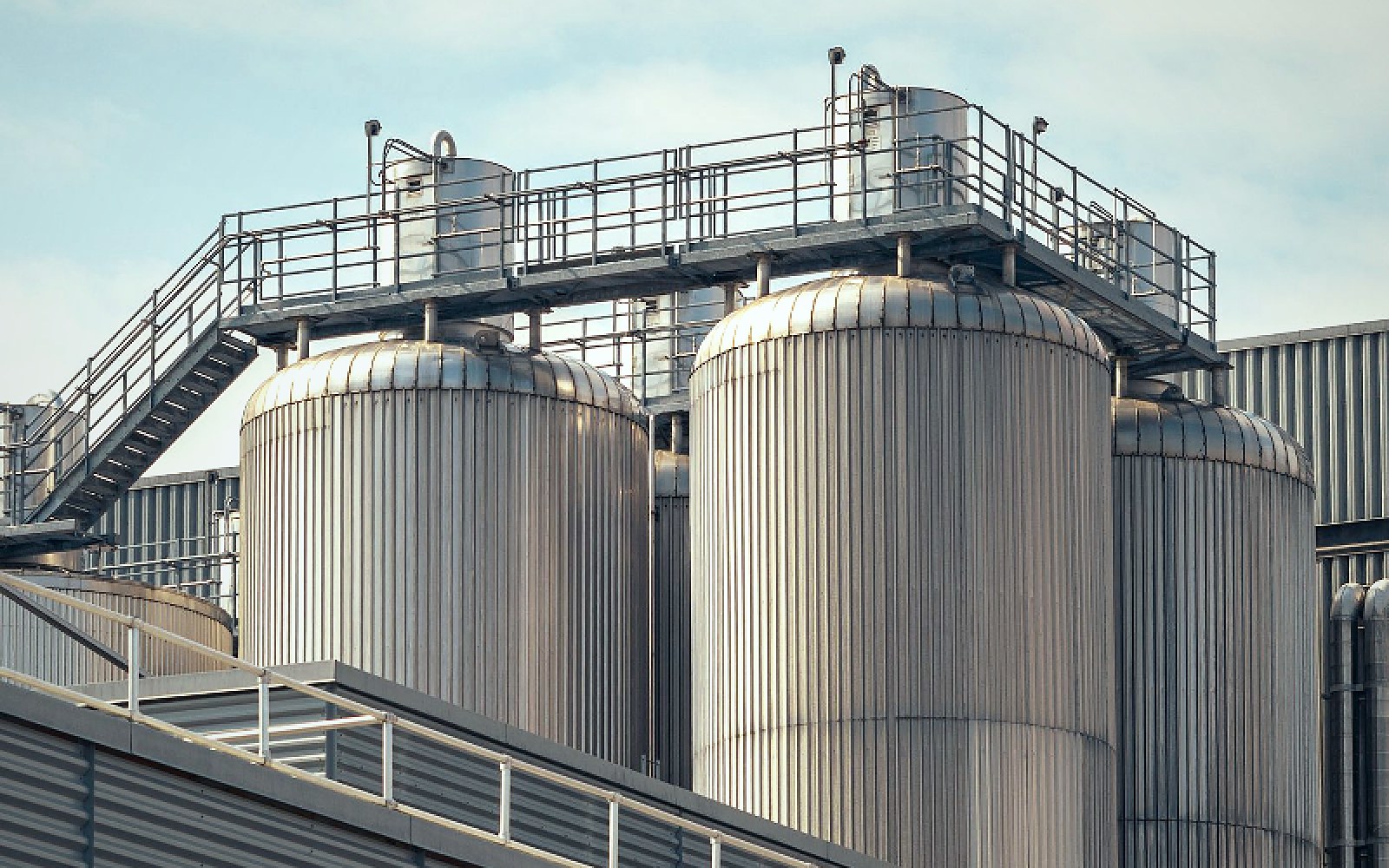
Plant Extract Supplier Audit Checklist: 12 Questions to Ask Before Your First PO
A specification sheet tells you what an ingredient should be. A supplier audit tells you whether the next ten batches will match it. Here are the 12 questions worth asking before you release a purchase order.
Read the guide →Latest articles
EU Novel Food and US DSHEA: Documentation Pathways for Botanical Extract Imports
The EU asks whether a botanical ingredient has a history of use; the US asks whether it is a dietary ingredient and whether an NDI notification is needed. Here is the document set for both.
Read article →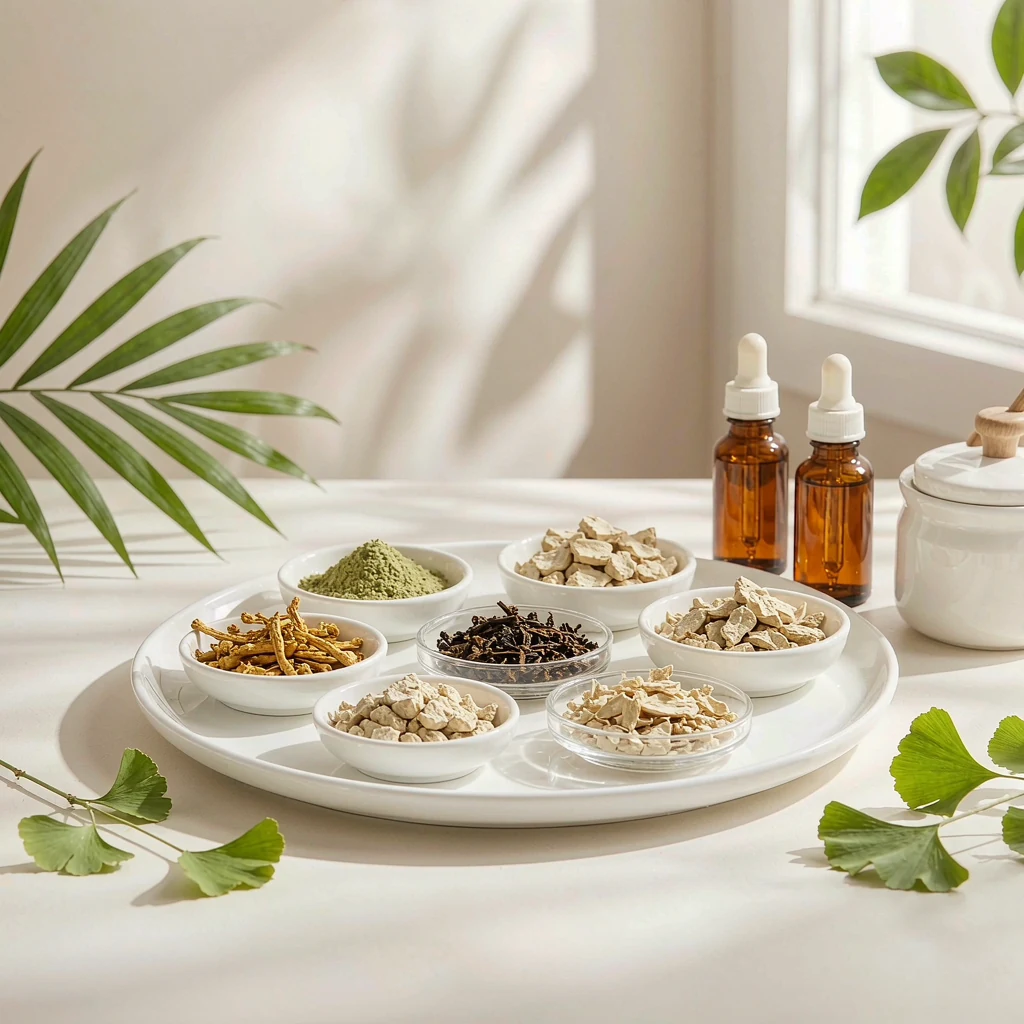
Ashwagandha Root Extract: Withanolide Assay Methods, Root-Only Grades and What to Put on the PO
A 5% withanolide claim is not a specification until you name the method. Here is how to write an ashwagandha root extract spec that survives incoming-goods testing.
Read article →
Tongkat Ali Extract: Eurycomanone Standards, 100:1 vs 200:1 Claims and Origin Checks
A 200:1 ratio is a concentration claim, not a potency claim. For tongkat ali, eurycomanone by HPLC plus origin documentation is what makes a specification testable.
Read article →
Botanical Extract Shelf Life: Water Activity, Packaging and Retest Protocols
A 24-month shelf life is a claim until the packaging, water activity and retest protocol support it. Here is how to make it a testable part of the supply agreement.
Read article →
Shilajit Extract: Fulvic Acid Claims, Authenticity Testing and Heavy Metal Controls
A “60% fulvic acid” claim means little without the method behind it. Here is the test panel and documentation that make a shilajit release specification defensible.
Read article →
Rhodiola Rosea Extract: Rosavins vs Salidroside, HPLC Methods and Adulteration Risks
Rosavins and salidroside are not interchangeable markers. A rhodiola specification needs both, plus a species check that rules out cheaper substituted roots.
Read article →Tribulus Terrestris Extract: Total Saponins, Protodioscin and Why the Method Changes the Number
“Total saponins 90%” is usually a colorimetric result, not a measured furostanol content. Here is how to write a tribulus spec your incoming lab can reproduce.
Read article →
Maca Extract: Gelatinised vs Raw, Macamides and Colour Grades
Gelatinisation removes starch; an extract ratio does not. Here is how to separate maca grades on a specification sheet instead of a marketing claim.
Read article →
Polygonum Cuspidatum Resveratrol: Trans-Resveratrol Purity, Emodin Limits and Supply Notes
A 98% trans-resveratrol claim needs an HPLC method, a cis-isomer limit and an emodin limit. Here is the full specification buyers should put on a Japanese knotweed RFQ.
Read article →
Water, Ethanol or Supercritical CO2: How the Extraction Solvent Changes a Botanical Specification
The same root extracted three ways produces three different specification sheets. Here is how solvent choice changes the assay, the contaminant panel and the finished application.
Read article →Extract Ratio vs Assay: Why 10:1 and 5% Are Not the Same Specification
A 10:1 ratio and a 5% assay are often written as if they were interchangeable. They are not — and confusing them is one of the most common causes of a failed incoming-goods check.
Read article →Eucommia Ulmoides Extract: Chlorogenic Acid Specs, Origin and Buying Guide
Eucommia leaf extract is usually sold on chlorogenic acid content, but the number only makes sense alongside the plant part, extraction solvent, assay method and harvest window.
Read article →Poria Cocos Extract: Polysaccharide Testing, Triterpenes and Sourcing Notes
Fu Ling extract is often quoted as a polysaccharide percentage, but the number depends heavily on the test method. Here is how to make the specification meaningful.
Read article →Heavy Metals & Solvent Residues in Botanical Extracts: Setting Defensible Limits
A contaminant panel is only useful when the limits, methods and regulatory basis are written down. Here is how to build a release specification that survives an audit.
Read article →Botanical Feed Additives: Documentation, Stability and Premix Compatibility
A botanical ingredient that works in a capsule can fail in a premix. Flowability, stability and documentation decide whether a feed additive is production-ready.
Read article →Importing Plant Extracts from China: MOQ, Lead Time, Incoterms and Documents
Most import problems are quotation problems: an incomplete RFQ leads to the wrong grade, the wrong documents or an unexpected landed cost. Here is the sequence that works.
Read article →Cosmetic-Grade Botanical Extracts: What Formulators Need on the Spec Sheet
A food-grade COA is not enough for a cosmetic formula. INCI, preservation, microbial limits and colour stability decide whether a botanical extract works in the finished product.
Read article →Looking for a specific ingredient, or want a specification reviewed by our technical team?
Request a Quote →