Tongkat Ali Extract: Eurycomanone Standards, 100:1 vs 200:1 Claims and Origin Checks
A 200:1 ratio is a concentration claim, not a potency claim. For tongkat ali, eurycomanone by HPLC plus origin documentation is what makes a specification testable.
A 200:1 ratio is a concentration claim, not a potency claim. For tongkat ali, eurycomanone by HPLC plus origin documentation is what makes a specification testable.
Rosavins and salidroside are not interchangeable markers. A rhodiola specification needs both, plus a species check that rules out cheaper substituted roots.
A 98% trans-resveratrol claim needs an HPLC method, a cis-isomer limit and an emodin limit. Here is the full specification buyers should put on a Japanese knotweed RFQ.
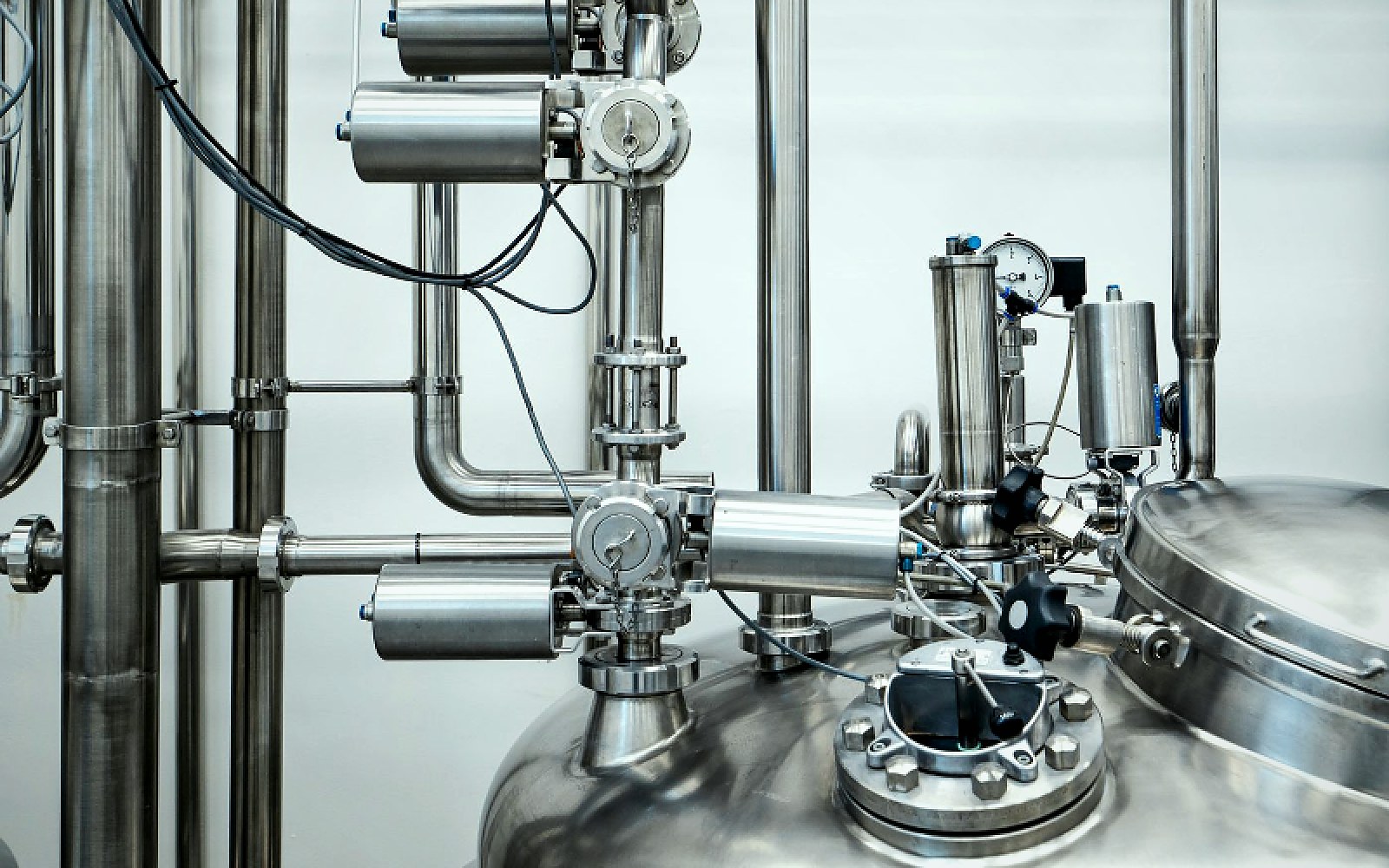
A 10:1 ratio and a 5% assay are often written as if they were interchangeable. They are not — and confusing them is one of the most common causes of a failed incoming-goods check.
Eucommia leaf extract is usually sold on chlorogenic acid content, but the number only makes sense alongside the plant part, extraction solvent, assay method and harvest window.

Bera Bio is a manufacturer and supplier of botanical extracts, plant extracts, animal and mushroom extracts, probiotics, and other nutrition ingredients. We offer feed, cosmetic, and supplement grade botanical extracts with professional sourcing solutions, OEM, and customized development services for customers with specific product requirements.
Office: Room 2301, Building A1, Beidou Industrial Park · Huangjinyuan, No. 601 East Hongfang Road, Xiangjiang New Area, Changsha, Hunan Province
Factory: No. 2 Chuangye Road, Jinshi High-Tech Zone, Jinshi City, Changde City, Hunan Province
+86 150 7318 0160